Wondering how to make sense of Desert Mountain when every village seems to offer a different mix of views, privacy, golf access, and upkeep? You are not alone. For many buyers, the challenge is not deciding whether Desert Mountain fits their lifestyle, but figuring out which part of the community fits best. This guide breaks down the village clusters and home types that matter most, so you can compare options more clearly and move forward with confidence. Let’s dive in.
How Desert Mountain Is Organized
Desert Mountain is a gated North Scottsdale community built around a village-based layout, and that layout has a real impact on how you live day to day. Depending on the village, you may see meaningful differences in elevation, view corridors, privacy, proximity to golf and clubhouses, and maintenance expectations.
Official community sources describe Desert Mountain as spanning about 8,300 to 8,800 acres, with more than 5,000 residents, private hiking trails, multiple clubhouses, and a broad mix of homes and homesites. Because official village counts vary across sources, the clearest way to understand the community is by looking at village clusters instead of relying on one exact village total.
That approach also reflects how buyers actually shop here. Most people are comparing a few practical priorities first, such as whether they want bigger views, easier golf access, a lock-and-leave setup, or land for a custom build.
Why Village Choice Matters
In Desert Mountain, two homes that seem close on a map can feel very different in person. One may offer more seclusion, wider mountain views, and a larger lot, while another may place you closer to a clubhouse or a more central gate.
Village choice also matters because governing documents and architectural rules can vary by village. That means design guidelines, lot envelopes, and exterior considerations may differ, even within the same master-planned community.
For you as a buyer, this makes due diligence especially important. It is not just about the home itself. It is also about the village structure around it and how that supports your goals.
Elevated Estate Villages
If your priority is privacy, elevation, and dramatic views, the upper-view estate villages tend to stand out first. These are often the best fit for buyers who want a custom-home feel, more separation from neighbors, and a stronger sense of retreat.
Apache Peak
Apache Peak is one of the clearest examples of an elevated Desert Mountain village. Listings describe it at around 3,300 feet in elevation, with city-light and mountain views and a more secluded feel.
Current asking prices in Apache Peak generally range from the high $2 millions to the mid-$5 millions, with premium estates and lots reaching higher. Architecturally, you will often see contemporary, desert modern, and Southwest-inspired homes.
Saguaro Forest And Cintarosa Ranch
Saguaro Forest and Cintarosa Ranch sit near the top of the privacy and prestige spectrum. Saguaro Forest is closely tied to Chiricahua access, and some homes are positioned near the clubhouse, the 18th tee, or nearby dining.
Cintarosa Ranch is often described as the highest lot area in Desert Mountain, around 3,500 feet in elevation. Homesites there can range from about 4.7 to 5.6 acres, and current asking prices across these two areas span from about $1.9 million for a lot to roughly $15 million to $18.9 million for top-end estates.
Lone Mountain, Sunset Canyon, And Rose Quartz
These villages are also strong options when views are a top priority. Lone Mountain includes large estate parcels, including homesites with golf frontage and expansive mountain outlooks.
Rose Quartz features newer elevated homes and homesites with sunset, mountain, and golf views, with examples from the high $2 millions to about $5 million, plus some lots below $1 million. Sunset Canyon follows a similar view-driven pattern, with contemporary listings in the low-to-mid $5 millions.
Golf-Adjacent Mid-Mountain Villages
If you want a balance of access, convenience, and golf orientation, the mid-mountain villages deserve a close look. These areas tend to appeal to buyers who care more about centrality and day-to-day usability than maximum acreage.
Cochise Ridge And Turquoise Ridge
Cochise Ridge and Turquoise Ridge are useful comparisons for buyers who want golf access and a more central location. Current listings show Cochise Ridge homes around the high $1 millions to about $2.4 million, while Turquoise Ridge tends to range from roughly $2.1 million to $3.0 million.
Some listings in these villages highlight proximity to fairways, club amenities, or easier access to gates. If convenience is high on your list, these villages often belong in the conversation.
Grey Fox, Eagle Feather, Mountain Skyline, And Sunrise
Grey Fox, Eagle Feather, Mountain Skyline, and Sunrise also fit this golf-adjacent category. Grey Fox currently ranges from about $1.1 million for a lot to roughly $4.0 million and above for homes, while Eagle Feather includes homesites below $1 million and homes in the mid-$3 millions and higher.
Sunrise listings are around the low $2 millions. Across these villages, buyers often compare how close they are to the Sonoran Club, Cochise fairways, and the main or back gates.
Lock-And-Leave Villages
For seasonal buyers, second-home owners, or anyone who wants simpler upkeep, lower-maintenance villages can make Desert Mountain much easier to enjoy. These homes are often smaller in footprint than large custom estates, but they can offer a strong lifestyle fit and convenient access to club amenities.
Sonoran Cottages And Enclave
Sonoran Cottages are widely positioned as a practical lock-and-leave option, especially for buyers who want to be near the Sonoran Club. Active listings typically run from about $1.1 million to $1.7 million.
If you value convenience and a lower-maintenance setup over land size, this is one of the clearest starting points in the community. It is especially useful for buyers who split time between Scottsdale and another city.
Haciendas, Apache Cottages, Desert Greens, And Desert Fairways
Haciendas currently includes patio-home and villa-style residences around the mid-$1 millions, often with features like courtyards and casitas. Apache Cottages is another standout for lock-and-leave buyers, with listings that highlight walkability to the Apache Clubhouse.
Desert Greens and Desert Fairways also fit the lower-maintenance category, while still giving some buyers golf-adjacent positioning. Current pricing commonly falls in the low-to-mid $2 millions and low $3 millions.
Seven Desert Mountain
Seven deserves its own category because it is both the newest enclave and the most clearly defined modern lock-and-leave option in Desert Mountain. Official community material describes Seven as walkable to No. 7 and its clubhouse, with a mix of condos, villas, and custom-built homes.
This makes Seven especially appealing if you want a newer design language, easier maintenance, and immediate access to a more streamlined club lifestyle. It is also one of the easiest areas to compare if you prefer modern living over a more traditional custom-estate setup.
Official pricing for Seven runs from about $1.434 million to $6.995 million, while current listings show homes from about $1.75 million to just over $4 million. For buyers who want a cleaner, more turnkey Desert Mountain experience, Seven is often the first place to evaluate.
Villages For Lots And Custom Builds
If you are thinking beyond resale and want to create something tailored to your needs, Desert Mountain also offers villages where build opportunities stand out. In these areas, the value conversation shifts from just finishes and floor plans to site orientation, lot envelope, topography, and long-term design potential.
Gambel Quail And Future Estates
Gambel Quail and Gambel Quail Preserve are useful references for buyers who want a homesite or a more flexible custom-home opportunity. Listings describe these areas as close to the main gate, with easier access to town, golf, and the edge of Tonto National Forest.
Current asking prices in Gambel Quail Preserve range from about $825,000 for a lot to roughly $2.3 million to $5.9 million for homes. Official future-estate pricing across Desert Mountain runs from $195,000 to $2.495 million, with lots ranging from about 0.75 acres to more than five acres.
Home Types And Price Ranges
At a high level, Desert Mountain offers a broad spread of property types. Official community pricing places custom homes from $1.199 million to $16.5 million, villas, cottages, and patio homes from $800,000 to $3.7 million, future estates from $195,000 to $2.495 million, and Seven from $1.434 million to $6.995 million.
In practical terms, larger homes often move above $5 million when acreage, privacy, customization, and top-tier views become part of the package. Lower-maintenance homes usually begin in the low seven figures and appeal to buyers who want mobility and easier ownership.
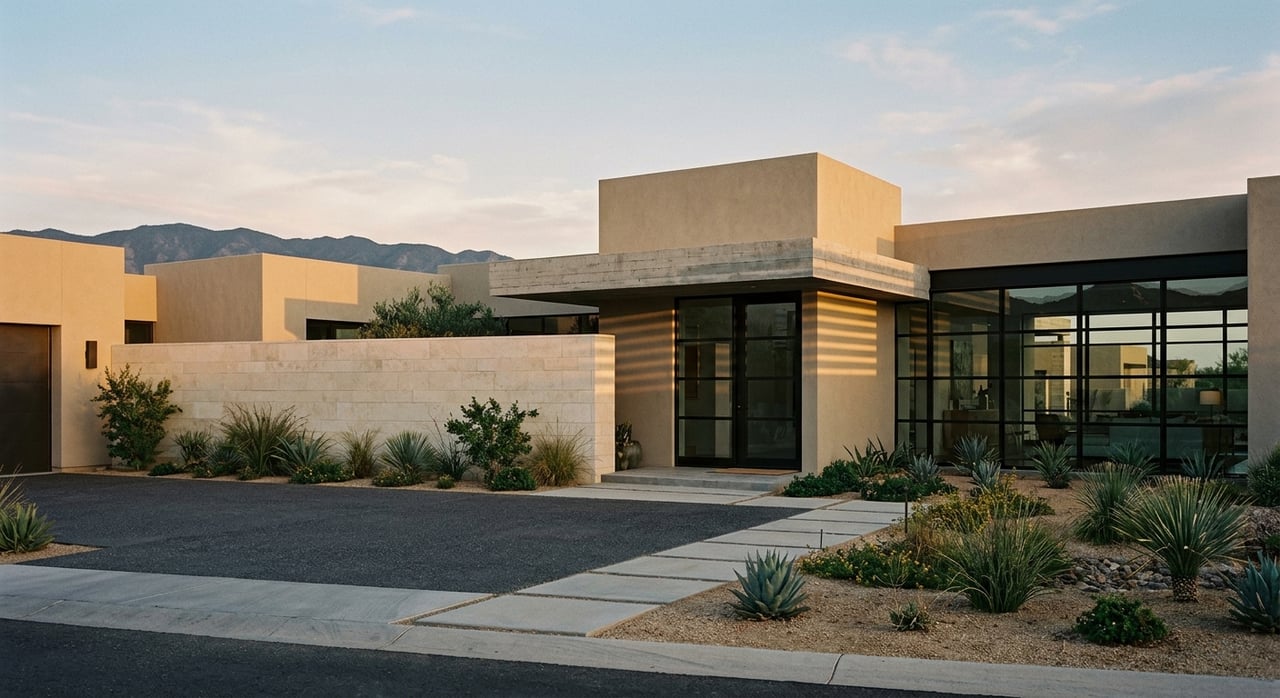
Architecturally, you can expect a range of styles rather than one single look. Official materials and current listings point to contemporary, Southwest, Santa Fe, Spanish Colonial, Mediterranean-inspired, Santa Barbara or Tuscan, and desert-organic influences.
What To Compare Before You Buy
Once you narrow your preferred home type, the next step is comparing the details that affect everyday use and long-term fit. In Desert Mountain, these practical differences often matter more than the village name itself.
Views And Privacy
If views and seclusion are your top priorities, focus on Apache Peak, Cintarosa Ranch, Lone Mountain, Sunset Canyon, and Rose Quartz. These villages are the strongest comparisons for elevation-driven homesites, broader outlooks, and a more private setting.
Golf And Club Access
If your goal is easier access to golf or club amenities, compare villages through that lens. Saguaro Forest is closely tied to Chiricahua, Apache Cottages and Desert Greens lean toward Apache access, and Cochise Ridge, Turquoise Ridge, Grey Fox, and Eagle Feather offer more central golf-oriented positioning. Seven remains the clearest walk-to-No. 7 option.
Maintenance Expectations
If you plan to use the home seasonally or want less day-to-day upkeep, start with Sonoran Cottages and Enclave, Haciendas, Apache Cottages, and Seven. These areas are the clearest fit for lock-and-leave living within Desert Mountain.
Membership Status
One of the most important details to verify is membership status. Current listings across the community show several possibilities, including membership available, transferable membership available, no membership included, and waitlist-only situations.
That means you should treat membership as a property-specific due-diligence item. You should not assume that a home includes a certain membership path simply because of its village.
Village Rules And Design Control
Because villages can have different governing documents and design rules, it is worth reviewing those details early in the process. This is especially important if you are considering remodeling, a custom build, or a property where exterior changes matter to your plans.
How To Choose The Right Fit
If you are choosing between villages, start with your real priorities instead of the broad Desert Mountain name. Ask yourself whether you care most about view preservation, privacy, golf access, walkability, maintenance simplicity, or build potential.
From there, compare homes through that narrower lens. That process usually leads to a clearer decision and helps you avoid spending time in villages that may be impressive on paper but do not fit how you actually plan to live.
In a community this layered, the best move is often to match your lifestyle goals with the right village cluster first, then evaluate the individual property. That is where a more strategic search can create real clarity.
If you are exploring Desert Mountain and want a sharper read on which villages, home types, or build opportunities align with your goals, Residence Collective can help you compare the options with a practical, market-savvy lens.
FAQs
Which Desert Mountain villages are best for views and privacy?
- Apache Peak, Cintarosa Ranch, Lone Mountain, Sunset Canyon, Rose Quartz, and parts of Saguaro Forest are some of the strongest villages to compare when views, elevation, and privacy are top priorities.
Which Desert Mountain villages are best for lock-and-leave living?
- Sonoran Cottages and Enclave, Haciendas, Apache Cottages, Desert Greens, Desert Fairways, and Seven are the clearest options for buyers who want lower-maintenance or seasonal-use homes.
What home types are available in Desert Mountain?
- Desert Mountain includes custom homes, villas, cottages, patio homes, condos in Seven, custom-build homesites, and future estate lots.
What is the price range for Desert Mountain homes?
- Official community pricing places custom homes from about $1.199 million to $16.5 million, villas and cottages from $800,000 to $3.7 million, future estates from $195,000 to $2.495 million, and Seven from about $1.434 million to $6.995 million.
Does buying in Desert Mountain include club membership?
- Not necessarily. Current listings show that membership terms vary by property and may include membership available, transferable membership available, no membership included, or waitlist-only situations.
Why do Desert Mountain villages feel so different from one another?
- Village differences come from elevation, lot size, proximity to golf and clubhouses, maintenance style, and separate governing documents or architectural rules that can vary from one village to another.